
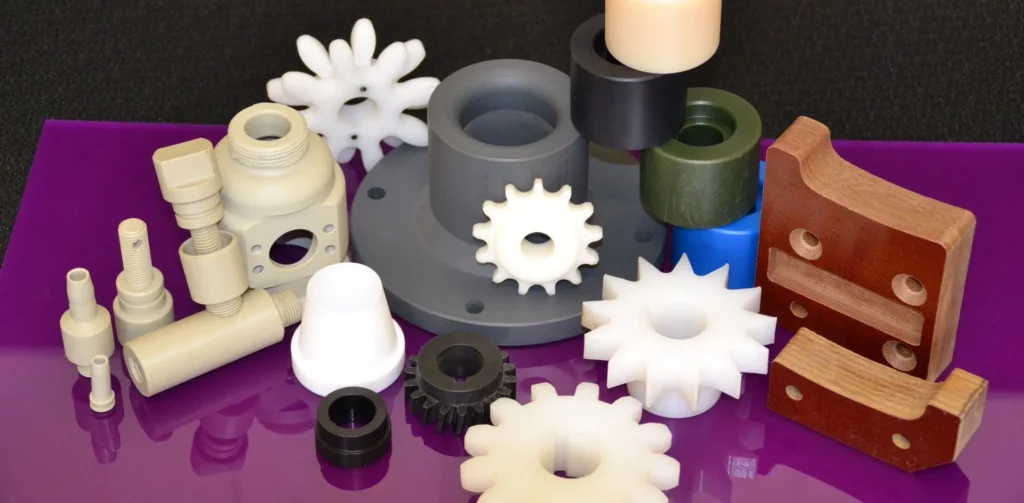
Performance engineered products are components or fabricated items designed around the performance requirements of a particular application. In industrial settings, they can include machined bushes, conveyor wear strips, guides, rollers, machine guards, tanks and custom assemblies made from suitable plastics. The goal is not simply to choose a plastic material, but to match its properties, shape and manufacturing method to the job it must perform.
For engineers, Original Equipment Manufacturers (OEMs), maintenance managers and procurement teams, the right material choice can influence component wear, dimensional stability, maintenance needs and production reliability. So, let’s explore how performance engineered products made from industrial plastics can solve real-world engineering challenges through the right material selection, precision machining and custom fabrication.
What Are Performance Engineered Products?
Performance engineered products are components developed or selected to meet defined functional requirements, such as load, friction, wear resistance, chemical exposure, temperature, weight or dimensional accuracy.
The term describes an approach to product design rather than one universal category of plastic. A product may be performance-engineered because its material, geometry and manufacturing process have been selected to address a specific operating problem.
For example, a conveyor guide may require low friction and abrasion resistance, while a machine enclosure may need visibility, impact resistance or chemical compatibility. Both can be engineered solutions, but they do not necessarily require the same polymer.
In this context, engineering plastics are materials used where their properties make them suitable for a functional component. The best choice depends on the application, not simply on whether a material is marketed as a high performance plastic.
How Do Industrial Plastics Solve Engineering Problems?
Industrial plastics can provide useful combinations of low weight, corrosion resistance, wear performance, electrical insulation and fabrication flexibility. Their suitability varies by polymer grade and operating conditions.
Common engineering problems include:
- Premature wear: A suitable wear-resistant polymer may help address friction and abrasion in guides, strips or sliding components.
- Corrosion: Some plastics can be suitable alternatives to metals in particular chemical environments, subject to compatibility checks.
- Excessive component weight: A plastic component may reduce mass where the required strength, stiffness and operating conditions permit.
- Dimensional or fit issues: CNC machining can produce components to specified dimensions, provided the material and design allow the required tolerances.
- Complex shapes: Machining, routing, heat bending and welding can help turn sheet, rod or tube stock into functional components and assemblies.
The correct solution begins with understanding why the existing component is failing or what the new design must achieve and material selection should follow that assessment rather than precede it.
Engineering Plastics vs Commodity Plastics vs High Performance Plastics
These terms describe overlapping groups rather than rigid, universally defined classifications.
Commodity plastics are commonly used in high-volume, general-purpose applications. They can be appropriate for industrial products when their properties suit the task.
Engineering plastics are selected for functional components that need a useful combination of mechanical, thermal, chemical or dimensional properties. Nylon, acetal and polycarbonate are common examples, although their performance differs considerably.
High performance plastics generally refers to polymers selected for more demanding conditions, such as particular temperature ranges, chemical exposures or mechanical requirements. PTFE and PEEK are examples often considered for specialised applications.
A more expensive or specialised polymer is not automatically the best choice. A readily available engineering plastic may be suitable for a particular component, while another application may justify a more specialised grade.
Choosing the Right Plastic: Material vs Application
The table below is a starting point for material selection, not a substitute for checking the exact grade, load, environment and operating limits.
| Material | Potential strengths | Applications to investigate |
| PTFE (Teflon) | Low friction and broad chemical resistance, subject to conditions | Sliding components, seals and chemically exposed parts |
| HDPE | Low moisture absorption, toughness and chemical resistance in suitable environments | Tanks, trays, guides and selected industrial components |
| UHMWPE | Abrasion resistance, impact performance and low friction | Conveyor wear strips, chain guides and chute linings |
| Nylon | Strength, toughness and wear performance in suitable conditions | Bushes, rollers, gears and wear components |
| Acetal | Stiffness, machinability and dimensional stability in suitable grades | Precision components, gears, bushes and mechanical parts |
| Polycarbonate | High impact resistance and transparency | Machine guards and protective panels where the design is appropriate |
| Acrylic (Perspex) | Optical clarity and ease of fabrication | Display panels, covers and enclosures where impact requirements permit |
Plastics For Industry supplies a range of engineering plastics and provides machining and fabrication services to help businesses select and manufacture components suited to their specific industrial applications.
Engineering Plastic Material Properties to Check
Mechanical strength, friction and wear
Consider the forces the component will experience, including sustained loads, impact and contact with other surfaces. Tensile strength alone does not determine suitability. Stiffness, creep, friction, wear and the geometry of the part can all affect performance.
Chemical and temperature resistance of plastics
Identify the exact chemicals, concentrations, temperatures and exposure periods involved. Chemical compatibility can change with temperature, stress and material grade. Continuous operating temperature ratings should not be treated as permission to use a polymer under every combination of load and exposure.
Moisture absorption and dimensional stability
Some polymers change dimensions or mechanical properties as they absorb moisture. This matters for precision fits, moving components and parts used in humid or wet environments. Consider the service environment as well as the conditions in which the component will be machined and measured.
Electrical, optical and surface requirements
A component may need electrical insulation, visibility, a particular finish or a smooth contact surface. These requirements can narrow the available materials, but they must be assessed alongside mechanical and environmental needs.
PTFE, HDPE and UHMWPE Applications: What Is the Difference?
PTFE, HDPE and UHMWPE are all useful industrial plastics, but they are not interchangeable.
- PTFE is often considered where low friction and chemical resistance are important. Its mechanical behaviour under load must still be evaluated for the specific design.
- HDPE is used in a range of fabricated products and industrial components where toughness, relatively low weight and chemical resistance are useful. Its suitability depends on the service conditions.
- UHMWPE is commonly used for wear strips, chain guides and other sliding or material-handling components because of its abrasion resistance and low-friction characteristics. Plastics For Industry specifically describes its work with custom UHMWPE wear strips and chain guides.
The right comparison is therefore application-specific: identify the type of wear, load, temperature, chemical exposure and required dimensions before choosing a material.
Nylon and Acetal Engineering Components
Nylon and acetal are both used for machined mechanical components, but they have different property profiles.
- Nylon may be suitable for components that require toughness, strength and wear performance. Moisture absorption can affect its dimensions and properties, so it should be considered where precise fits or changing humidity matter.
- Acetal is often selected for components that need stiffness, machinability and useful dimensional stability. The exact grade and working environment still determine whether it is appropriate.
Both materials can be considered for items such as bushes, rollers, gears and other machine parts. The final decision should reflect the component’s load, speed, contact surfaces, operating temperature and maintenance requirements.
Polycarbonate vs Acrylic: Which Should You Choose?
Polycarbonate is often considered when impact resistance is a priority. Perspex/acrylic is valued for its optical clarity and fabrication characteristics. Scratch resistance, chemical compatibility, thickness, mounting and the specific hazards of the application also matter.
For industrial machine guards, a material comparison alone does not establish safety or compliance. The complete guard design must be assessed against the machinery hazards and applicable requirements. Plastics For Industry offers fabrication services and describes both acrylic and polycarbonate in its material range.
How Are Performance Engineered Products Manufactured?
Material selection is only one part of the process. The shape, tolerances and production method must also suit the component. Also, when specifying industrial plastic components, manufacturers should also consider the relevant manufacturing standards and product safety requirements that apply to the finished product, as outlined in the Australian Government’s manufacturing industry guidance.
- CNC turning and milling: Used to produce specified shapes and dimensions from suitable plastic stock.
- 3D machining and routing: Useful for profiles and complex geometries where the chosen material and design permit.
- Cutting and heat bending: Used to prepare sheet material and form selected components.
- Plastic welding and fabrication: Used to create tanks, trays, enclosures and other assemblies from compatible materials.
Ultimately, the right manufacturing process helps ensure the finished component meets the application’s functional, dimensional and performance requirements.
Checklist: What to Confirm Before Specifying an Industrial Plastic Component
Before selecting a material or requesting a quote, confirm the following:
- Function: What must the component do, and what problem are you trying to solve?
- Operating conditions: What loads, speeds, temperatures, chemicals and environmental conditions will it experience?
- Material: Which properties are essential, and which are preferences? Is the exact grade known?
- Dimensions: Are there drawings, CAD files, samples or critical tolerances to provide?
- Manufacturing method: Does the part need turning, milling, routing, bending, welding or assembly?
- Quantity: Is it a prototype, replacement part, small batch or repeat production requirement?
- Verification: What inspection, fit checks or application-specific requirements must be confirmed before use?
A complete specification helps the supplier assess material suitability, manufacturability and the information still needed before production.
Where Can You Source Performance Engineered Products in Melbourne?
When comparing industrial plastics suppliers in Melbourne, look beyond the availability of sheet, rod and tube stock. Consider whether the supplier can also help with material selection, machining, custom fabrication and the practical details of your application.
Also, if you are sourcing a component, provide the drawing or sample where available, expected quantity, operating conditions and any known material requirements. These details help establish whether the requested part can be made as specified or whether further technical review is needed.
Frequently Asked Questions
Discuss Your Industrial Plastic Component
If you are developing a new component, replacing a worn part or comparing materials for an industrial application, you may discuss your requirements regarding the available material, machining and fabrication options with Plastics For Industry.
Feel free to review the product range or contact the team with your drawing, sample or application details for further assistance.