
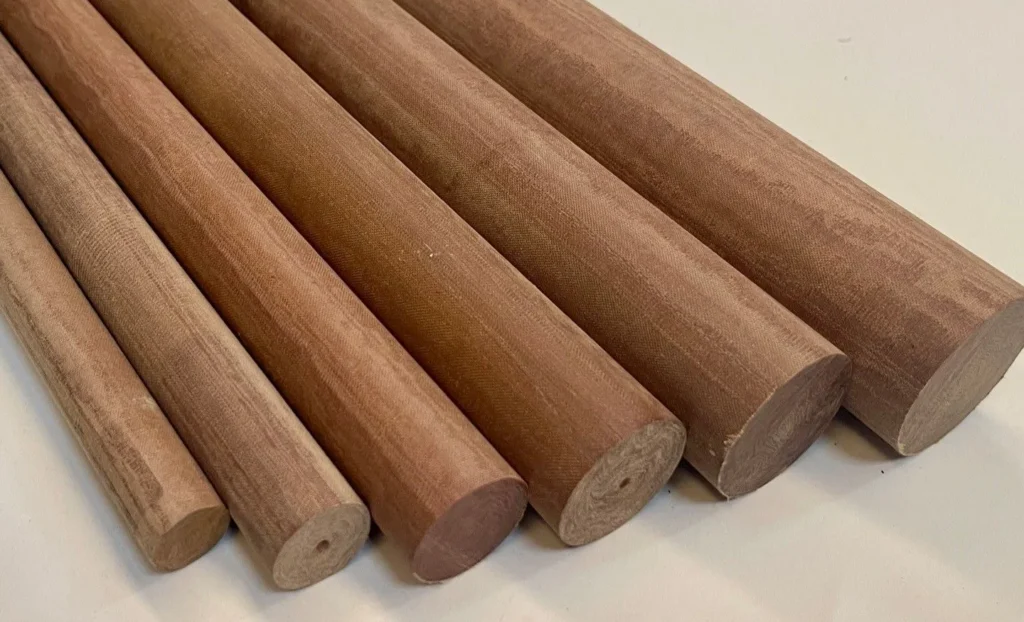
When requesting a quote from plastic rod suppliers in Melbourne, provide the material or application, rod diameter, length, quantity, required tolerances and delivery location. If you need a finished component rather than raw stock, include a technical drawing, CAD file or sample where possible. A clear specification helps a supplier assess the job, identify missing information and prepare a more useful quote.
Whether you are replacing a worn machine component, sourcing engineering plastic rods for CNC machining or ordering plastic rods cut to size, the information you provide can make a substantial difference to the quoting process.
This guide explains what to include in your enquiry, how to communicate material requirements and when to send a drawing, CAD file, photograph or physical sample.
Why a Complete Plastic Rod Quote Request Matters
A quote is only as useful as the information behind it. Two suppliers may price different materials, dimensions or levels of machining if the original request is unclear. That makes it difficult to compare prices fairly or confirm that the quoted product will suit the application.
For maintenance teams, missing information can also mean extra clarification before a replacement part can be assessed. For engineers and procurement teams, a consistent specification makes it easier to compare suppliers on the same requirements.
A complete enquiry does not need to be complicated. Start with the material, dimensions, quantity and intended use. Add drawings, tolerances and operating conditions when the job requires them.
What Information Should You Include in a Plastic Rod Quote?
Use the following checklist before contacting a supplier. Include the details you know, and identify anything you need the supplier to help confirm.
- Material: State the preferred polymer or ask for a recommendation based on the application.
- Diameter: Give the required outside diameter in millimetres.
- Length: Specify the required length of each rod or cut piece.
- Quantity: State the number of pieces, rods or components required.
- Application: Explain what the material or component will do.
- Tolerances: Identify any critical dimensions and acceptable variation.
- Machining: Confirm whether you need raw stock, cut-to-length material or a finished component.
- Supporting files: Attach a drawing, CAD file, dimensioned sketch or sample photographs where relevant.
- Delivery: Provide the delivery suburb or postcode and any collection requirements.
- Timing: State your required delivery date and whether the job is urgent.
If you do not know the correct material or tolerance, say so. It is more useful to explain the operating conditions and ask for advice than to nominate a material that may not suit the job.
1. Identify the Material or Explain the Application
Start by stating the plastic you want, if it is already specified. If you are unsure, describe the component’s purpose and the conditions in which it will operate.
Engineering plastic rods are available in different polymers, each with its own combination of mechanical, thermal, chemical and dimensional properties. The right choice depends on the application rather than on a single property in isolation.
| Material | What to discuss with your supplier |
| Nylon | Load, wear, moisture exposure and dimensional requirements. |
| Acetal | Machinability, dimensional stability and the component’s operating environment. |
| PTFE (Teflon) | Temperature, chemical exposure, friction and mechanical loading. |
| HDPE | Impact, moisture, chemical exposure and the required stiffness. |
| UHMWPE | Wear, sliding contact, impact and the component’s working conditions. |
However, this is a starting point, not a universal material-selection guide. Grade, operating temperature, load, environment and component design can change the recommendation.
What if you are comparing nylon and acetal rod?
When comparing nylon vs acetal rod, explain what the part needs to withstand and how closely its dimensions must be maintained. Nylon can be suitable for demanding wear and impact applications, while acetal is often considered for precision components requiring good dimensional stability. Moisture, load, temperature and grade still matter.
If you are contacting nylon rod suppliers in Melbourne or acetal rod suppliers in Melbourne, ask the supplier to identify the exact material grade being quoted. Do not assume that two materials with similar names or general descriptions are interchangeable.
2. Specify Plastic Rod Diameters, Lengths and Tolerances
Give dimensions in millimetres and make it clear whether they refer to the raw rod or the finished component.
- Outside diameter: The diameter of the supplied rod.
- Cut length: The length required for each piece.
- Finished dimensions: The dimensions required after machining.
- Critical tolerances: The dimensions that must stay within a specified range.
- Quantity per size: The number of pieces required at each dimension.
For example, a request for “20 mm plastic rod” is incomplete if the supplier does not know the required length, quantity or material. If the rod will be machined into a bush or shaft, the finished dimensions and drawing may be more important than the nominal stock size alone.
When requesting plastic rods cut to size, confirm whether the quoted dimensions refer to the supplied cut pieces and whether any additional machining is required. Do not assume that a standard cutting service includes precision machining or a particular tolerance.
3. Explain Whether You Need Raw Stock or a Finished Part
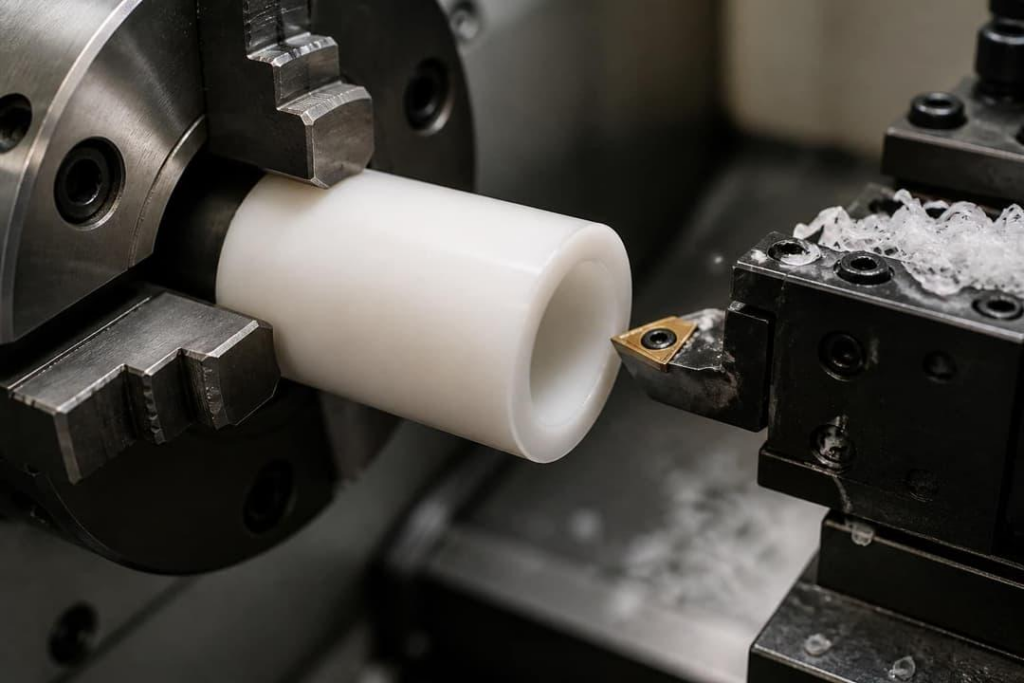
Tell the supplier whether you need material for your own workshop or a component manufactured to a drawing. The information required may differ considerably.
| Information | Raw rod supply | CNC-machined component |
| Material | Preferred polymer and grade, if known | Specified grade or application for material advice |
| Dimensions | Diameter and length | Finished dimensions and stock requirements |
| Quantity | Number of rods or cut pieces | Number of finished components and batch size |
| Tolerances | Required stock or cut-length tolerance | Critical dimensions and drawing tolerances |
| Files | Cutting list or dimensioned sketch, if useful | Drawing, CAD model or sample |
| Finishing | Any special cutting requirements | Surface finish, holes, threads or other features |
For engineering plastic rods for CNC machining, include the finished part’s requirements wherever possible. The machinist may need to assess the material, stock dimensions, machining allowance and critical features before confirming the quote.
4. Send a Drawing, CAD File, Sample or Photograph
Supporting information is especially useful when a component has complex geometry, critical dimensions or needs to replace an existing part.
When to send a technical drawing
Send a dimensioned drawing when the component has critical measurements, holes, grooves, threads, profiles or other features that cannot be described clearly in an email. Make sure the drawing identifies units and the relevant tolerances.
When to send a CAD file
A CAD file can help communicate the component’s geometry. Ask the supplier which file formats it can accept and whether it needs a 2D drawing alongside the model. A 3D model may show shape but not necessarily communicate every tolerance, finish or manufacturing requirement.
When to provide a physical sample
A physical sample can be useful when replacing a worn or broken component, particularly if the original drawing is unavailable. Explain whether the sample represents the original design or a failed part. Wear, deformation or breakage may mean the original dimensions are no longer accurate.
When photographs are enough
Photographs can help identify a part or show its installation environment, but they should not replace measurements for a precision component. Include a ruler or scale where helpful, and provide the critical dimensions separately.
5. Explain the Operating Conditions
Material selection should account for how the component will actually be used. Include any known information about:
- Loads, impact or repeated movement.
- Temperature during normal operation and cleaning.
- Exposure to water, moisture, oils, solvents or other chemicals.
- Friction, sliding contact or wear.
- Dimensional stability and fit with adjoining components.
- Any industry-specific material or documentation requirements.
This information is particularly useful for industrial plastic rods for wear-resistant components such as bushes, guides, rollers and wear strips. A material that performs well in one application may not be suitable for another operating environment.
When selecting plastic materials for industrial equipment, consider the operating environment and any workplace risks associated with chemical exposure; Safe Work Australia provides guidance on managing risks of hazardous chemicals in the workplace.
If the component is used in food-processing, scientific, medical or chemical equipment, state the relevant application and any required material documentation. Do not assume that a general-purpose grade meets a particular compliance requirement.
6. Confirm Quantity, Timing and Delivery
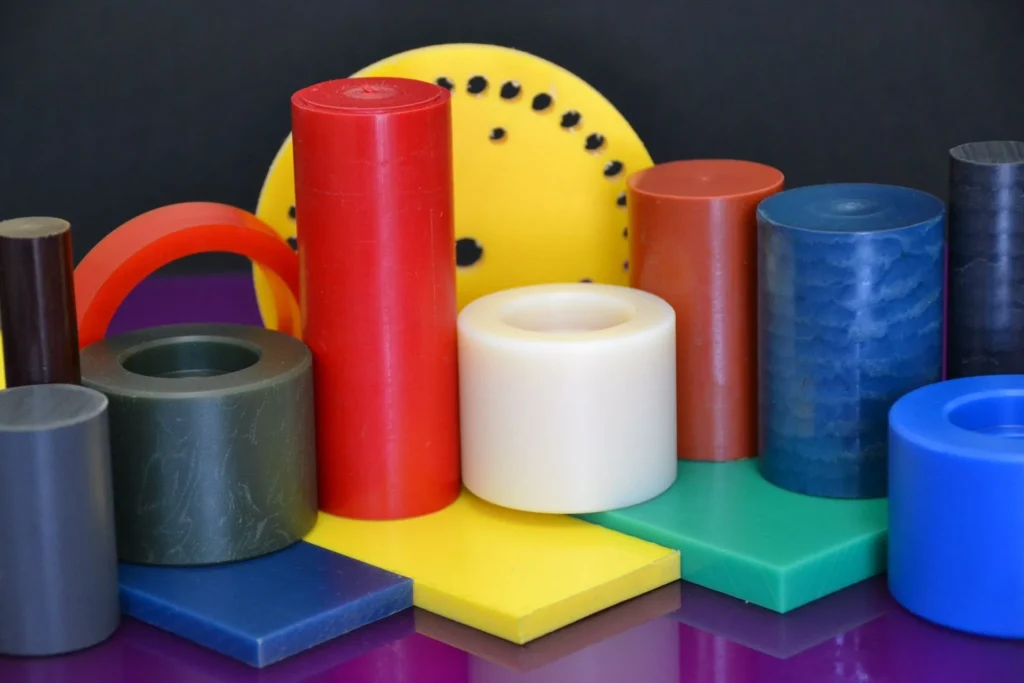
State the total quantity and whether the order is a one-off, prototype, replacement job or recurring requirement. If several sizes are needed, list each size and quantity separately.
Include your delivery suburb or postcode and the date the material or parts are required. If the job is urgent, explain the production or maintenance impact and ask whether the requested timing is achievable.
Ask the supplier to confirm stock availability, any material sourcing requirements, the estimated lead time and whether the quote includes cutting, machining, finishing, packaging and delivery.
Minimum order quantities, availability and turnaround can vary by material, size and job complexity. Confirm these details for the specific enquiry rather than relying on a general statement about the supplier’s services.
7. Compare Quotes on the Same Basis
Before choosing plastic rod suppliers in Melbourne, check that each quote covers the same material, dimensions, quantity and processing requirements. A lower price may reflect a different grade, a different tolerance or a supply-only service rather than a finished component.
- Is the quoted polymer and grade clearly identified?
- Are the dimensions and quantities correct?
- Does the price include cutting or CNC machining?
- Are the required tolerances and finishing requirements addressed?
- Is delivery included, and to which location?
- Are availability, lead time and quote validity stated?
- Are any material certificates or supporting documents required?
If something is unclear, ask for clarification before comparing the final prices. A like-for-like comparison is more useful than choosing a quote based on the headline figure alone.
Frequently Asked Questions
Request a Quote from Plastics for Industry
A well-prepared enquiry helps the supplier understand what you need and identify any details that must be confirmed before pricing. So, include the material or application, dimensions, quantity, delivery location and required timing and add a drawing, CAD file or sample when the job involves a finished component.
Plastics for Industry supplies industrial and engineering plastics and offers CNC turning, milling and custom plastic fabrication & welding services. The team has years of plastics machining experience and can assist you with enquiries ranging from material supply to custom machined parts.
If you are looking for reliable plastic rod suppliers in Melbourne, contact Plastics for Industry with your specifications or supporting files to discuss the requirements of your job.